What if the most valuable asset in a community isn’t the homes, the amenities, or even the location — what if the most valuable asses is the relationships between people?
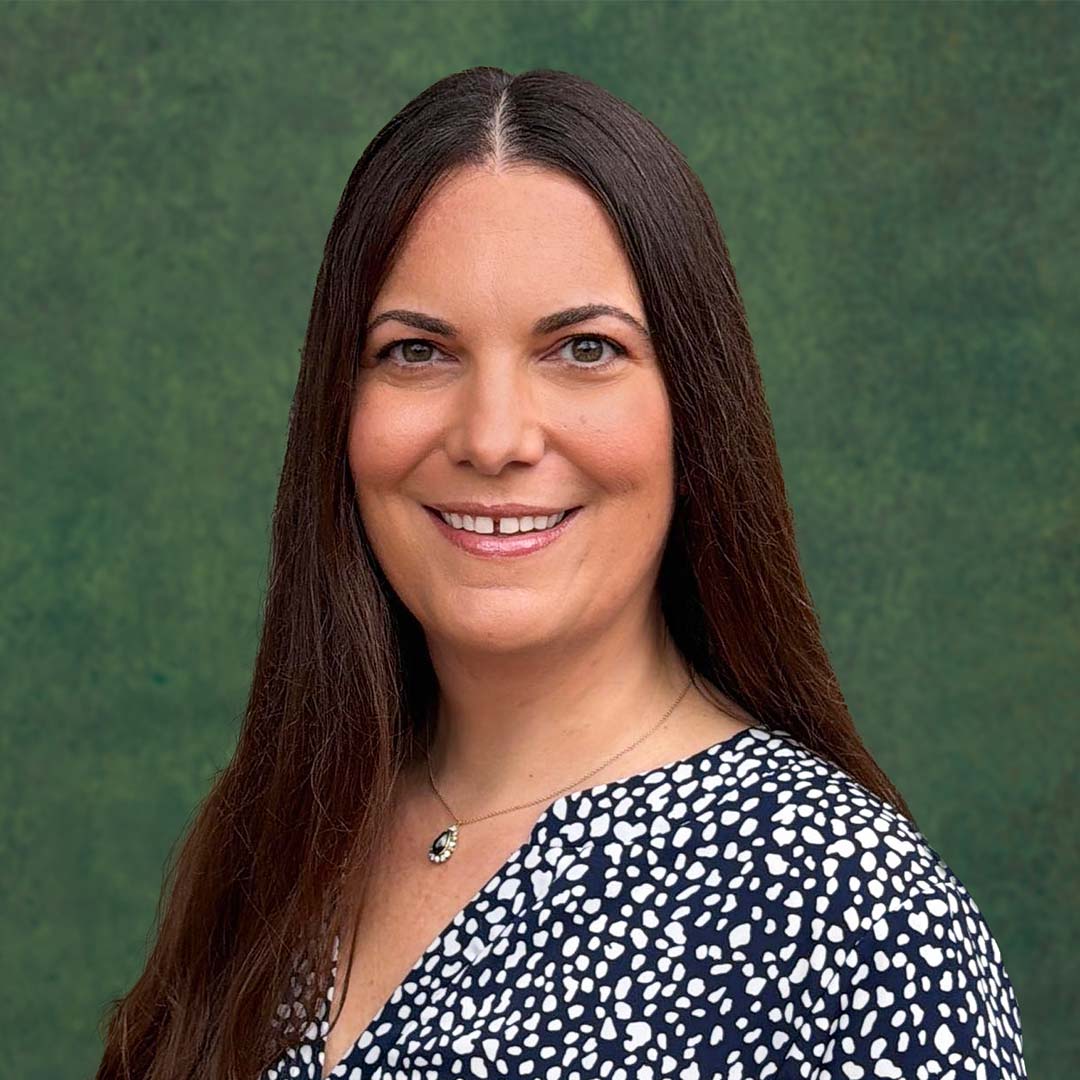
That’s the premise behind a recent conversation with Cohere CEO Todd Hornback, featured in AZ Big Media, and it reflects a broader shift happening across real estate development, placemaking, and community design particularly within master-planned communities and community development strategy.
Built for connection — not just convenience
For years, the promise of technology was simple: greater connectivity. But the reality looks different.
Despite being more digitally connected than ever, many Americans report lacking trust and a sense of belonging in their daily lives. This shift is changing how people choose where they live.
Today’s homebuyers and residents are asking:
- Do I know my neighbors?
- Do I feel welcome here?
- Does this place make my life better?
In other words, the experience of community is becoming a defining driver of real estate value.
Cohesion isn’t accidental, it’s designed
A cohesive community doesn’t just happen. It’s built through intentional choices — both physical and social.
At Cohere, this shows up in three interconnected ways:
1. Placemaking that invites interaction
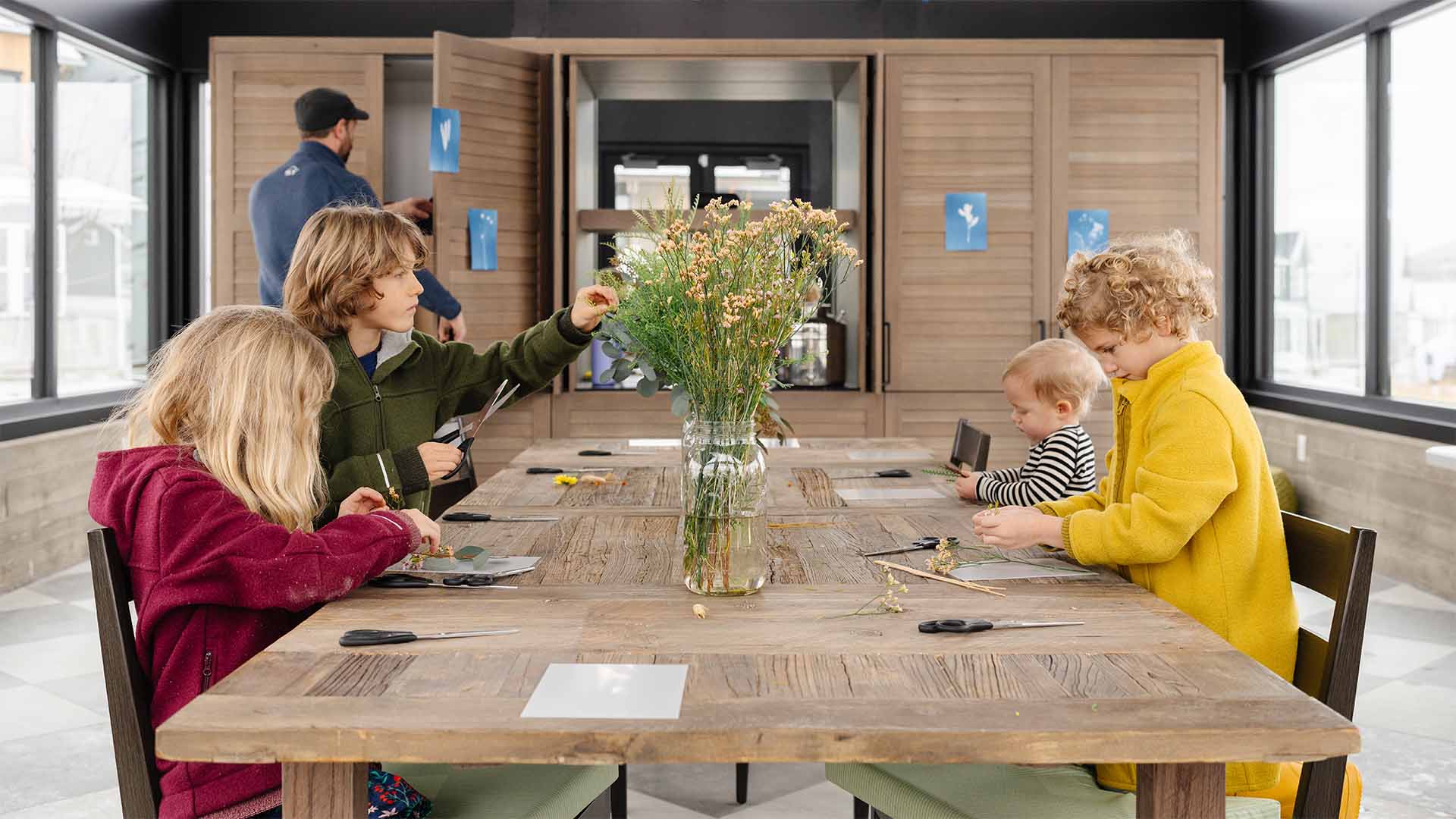
Walkable streets, shared spaces, and thoughtfully activated amenities create natural opportunities for people to gather.
2. Participation that builds ownership
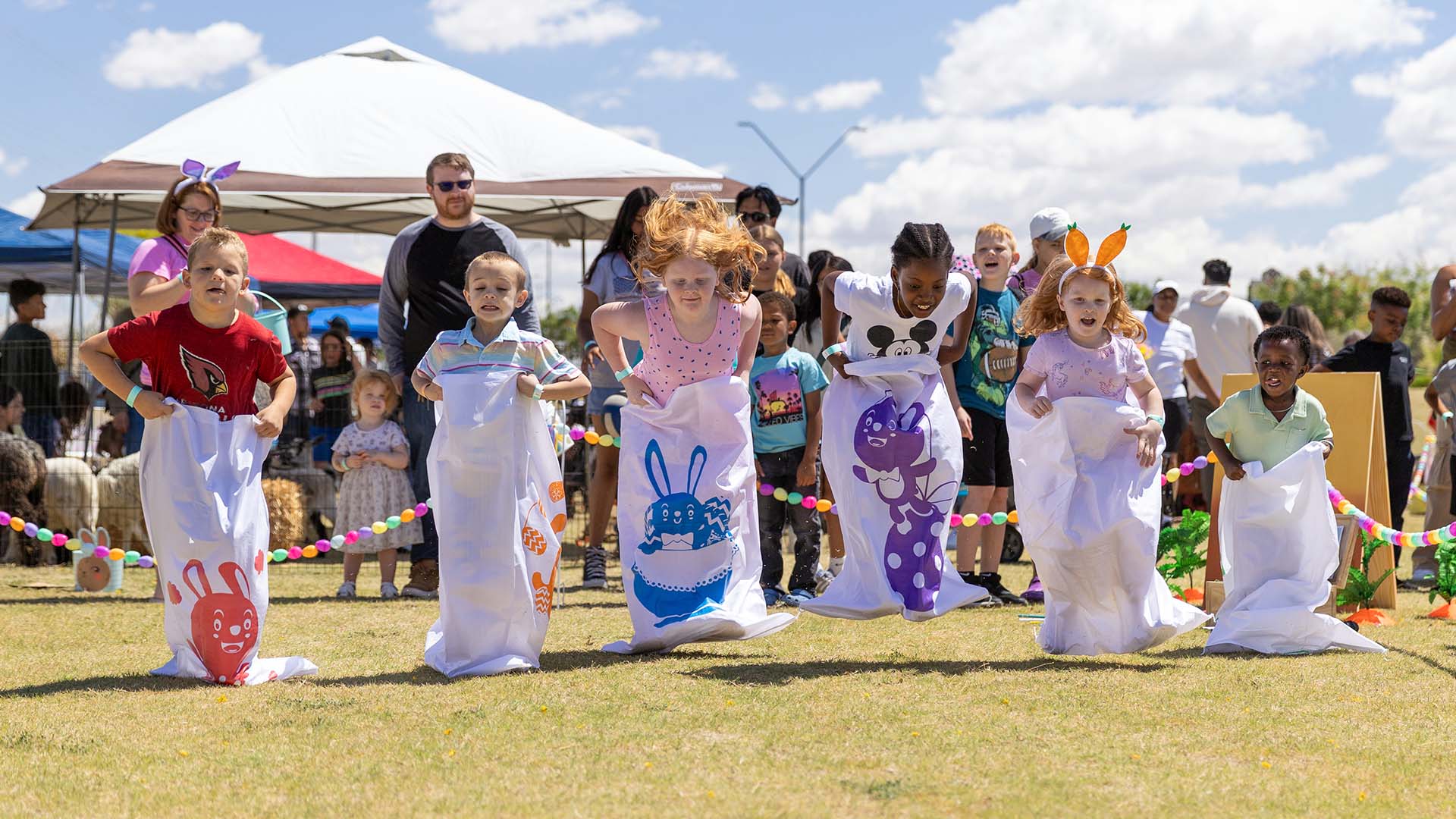
Communities strengthen when residents co-create and contribute. Clubs, events, and civic involvement turn neighbors into stewards.
3. Relationships that deepen over time
Connection isn’t a one-time experience. It’s built through repeated, everyday moments that foster trust, familiarity, and belonging.
Together, these elements form the foundation of Cohere’s Community Building Model™ — where people and place are designed to strengthen one another.
The business case for belonging
Cohesive communities don’t just feel better — they perform better.
From a development and asset performance perspective, they lead to:
- Stronger absorption and demand.
- Higher resident retention.
- More resilient neighborhood identity.
- Long-term asset value.
As Todd Hornback emphasizes, connection isn’t a soft concept — it’s a strategic advantage in today’s market. “A neighborhood where people know each other will consistently outperform one where they don’t.”
Continue reading
Read the full article featuring Todd Hornback on AZ Big Media.