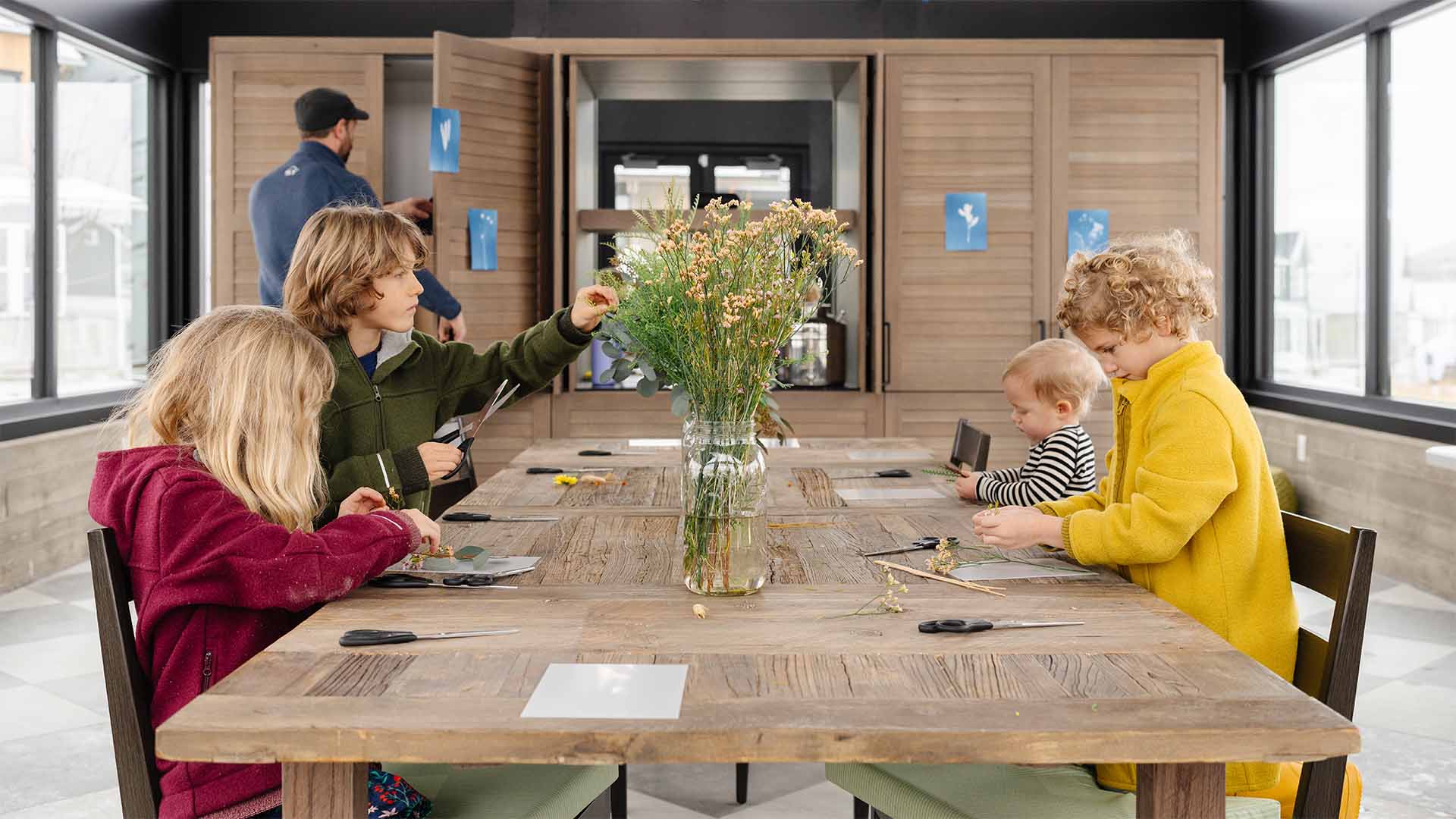

Gen Z is not just influencing housing trends — they’re reshaping development strategies.
As highlighted in Propmodo by Cohere CEO Todd Hornback, younger buyers and renters are prioritizing walkable, mixed-use communities that integrate living, working, wellness, and social life into one connected ecosystem. But the real opportunity for master-planned community developers goes beyond retail adjacency and amenity-rich planning.
The competitive edge isn’t simply mixed use. It’s people-forward placemaking backed by intentional community management that prioritizes social infrastructure.
The market shift: Connected living commands premiums
Gen Z consistently favors:
- Walkability and proximity to daily needs
- Shared public spaces and third places
- Wellness-forward amenities
- Authentic neighborhood identity
- Opportunities for social interaction
Mixed-use environments that deliver on these elements are seeing stronger demand and long-term value stability.
But demand alone doesn’t create differentiation. Many projects now feature similar amenity packages and retail integrations.
What separates high-performing communities is activation. Design sets the stage. Engagement drives absorption.
From amenities to placemaking strategy
Placemaking is more than a branding exercise — it is a strategic driver of long-term development success.
Without activation, even well-designed clubhouses, trails, and retail corridors remain underutilized. When developers embed social infrastructure early — through governance design, engagement strategy, and programming frameworks — those same spaces become economic drivers.
This is where developer consulting and community management strategy intersect.
At Cohere, we partner with development teams during early planning phases to:
- Align amenity programming with target demographic behavior.
- Structure governance models that support long-term engagement.
- Design scalable community activation plans.
- Build HOA management frameworks that prioritize connection alongside compliance.
- Create and cultivate resident leadership opportunities that sustain engagement without developer dependency.
The result is a neighborhood that feels alive from day one — increasing referrals, strengthening retention, and reinforcing brand identity.
Designing for the generation that values belonging
Gen Z has grown up digitally connected but socially fragmented. They’re choosing environments that make real-world interaction effortless — where daily life is a natural platform for connection.
Community building must extend beyond architecture. It must live in the rhythms, relationships, and shared responsibility of the neighborhood.
Mixed-use development that integrates activated public spaces, resident-led programming, inspired governance, cross-sector collaboration, and ongoing, intentional engagement infrastructure will outperform static amenity-driven projects.
The future of people-forward development
As mixed-use communities continue to evolve, the next frontier is integration: development + placemaking + governance + community management.
Cohere works alongside developers to design engagement ecosystems that align with market demand, strengthen long-term asset performance, and meet homebuyer expectations for connected living.
Because the most valuable communities aren’t just well built — they’re well stewarded.
For a deeper look at the market forces shaping Gen Z housing preferences and mixed-use development trends, read the full article in Propmodo.