The emerging shift in master-planned community development
Developers of master-planned communities have traditionally focused on physical elements during visioning and design: roads, utilities, parks, and amenities. More recently, however, we’re seeing social infrastructure — trust, connection, and belonging — emerge as an essential consideration in placemaking, community management, and lifestyle marketing.
Recent studies report an alarming decline in community trust, and with new neighborhoods emerging across the country every day, homebuyers are increasingly considering social impact as a differentiator when choosing where to call home.
In today’s housing market, if placemaking and community design place value on building social infrastructure, what is the return on investment?
It’s a question Cohere CEO Todd Hornback explores in his recent article for Colorado Real Estate Journal, examining why trust may be one of the most overlooked assets in community development today.
Why trust matters more than ever
Trust is often viewed as an outcome of a successful community. In reality, it can be intentionally cultivated through the way communities are designed, activated, managed, and marketed.
When residents trust one another, they are more likely to:
- Participate in community events and programs
- Engage in civic and volunteer activities
- Develop meaningful. relationships with neighbors
- Take pride in their neighborhood
- Contribute to a stronger sense of belonging
These outcomes don’t just benefit residents. They create measurable value for developers, homebuilders, community associations, and long-term asset performance.
Social infrastructure is the missing layer of community development
For decades, community development has focused on physical infrastructure. Yet many of today’s challenges — social isolation, declining civic engagement, and weakened neighborhood ties — cannot be solved through amenities alone.
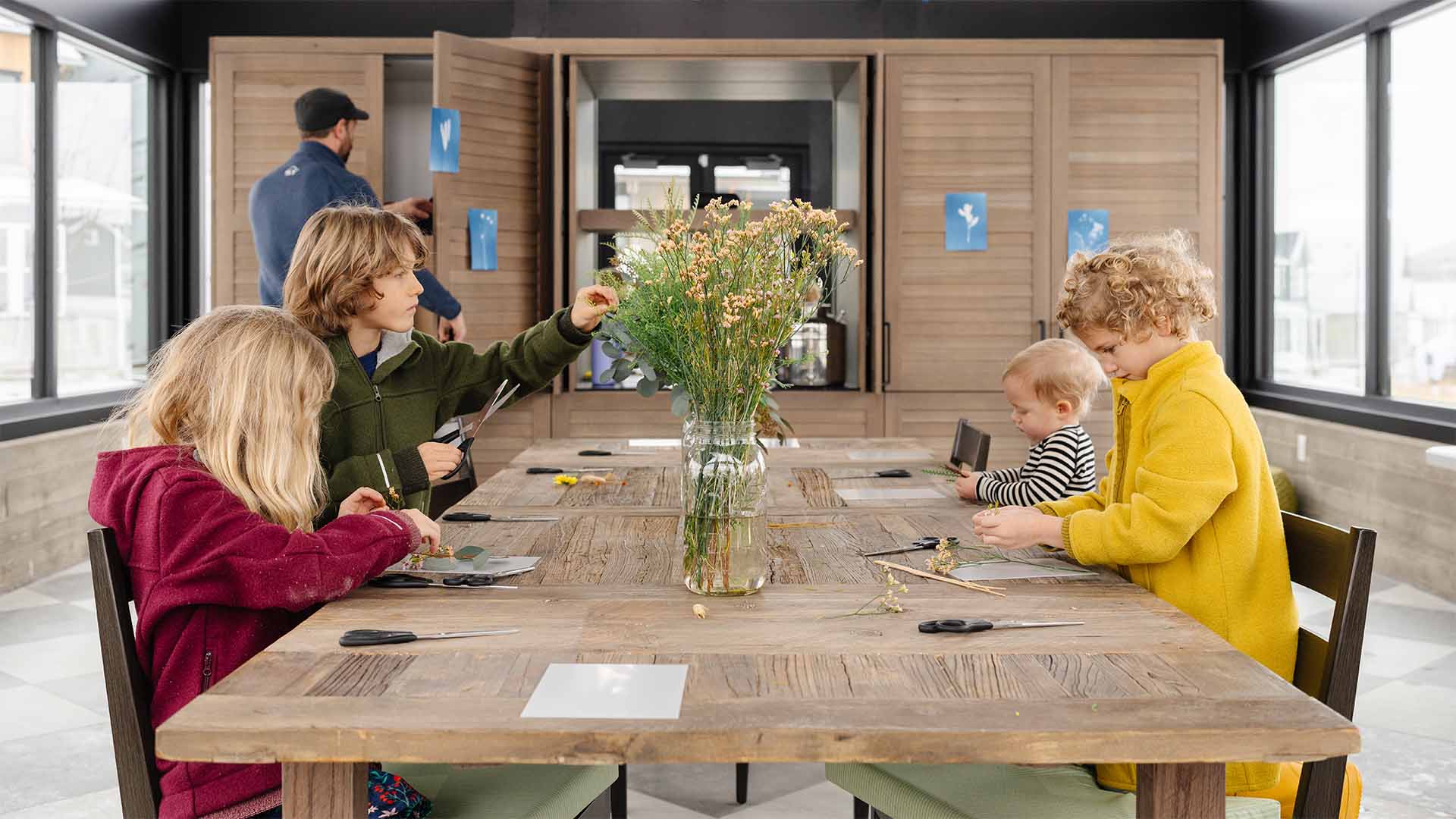
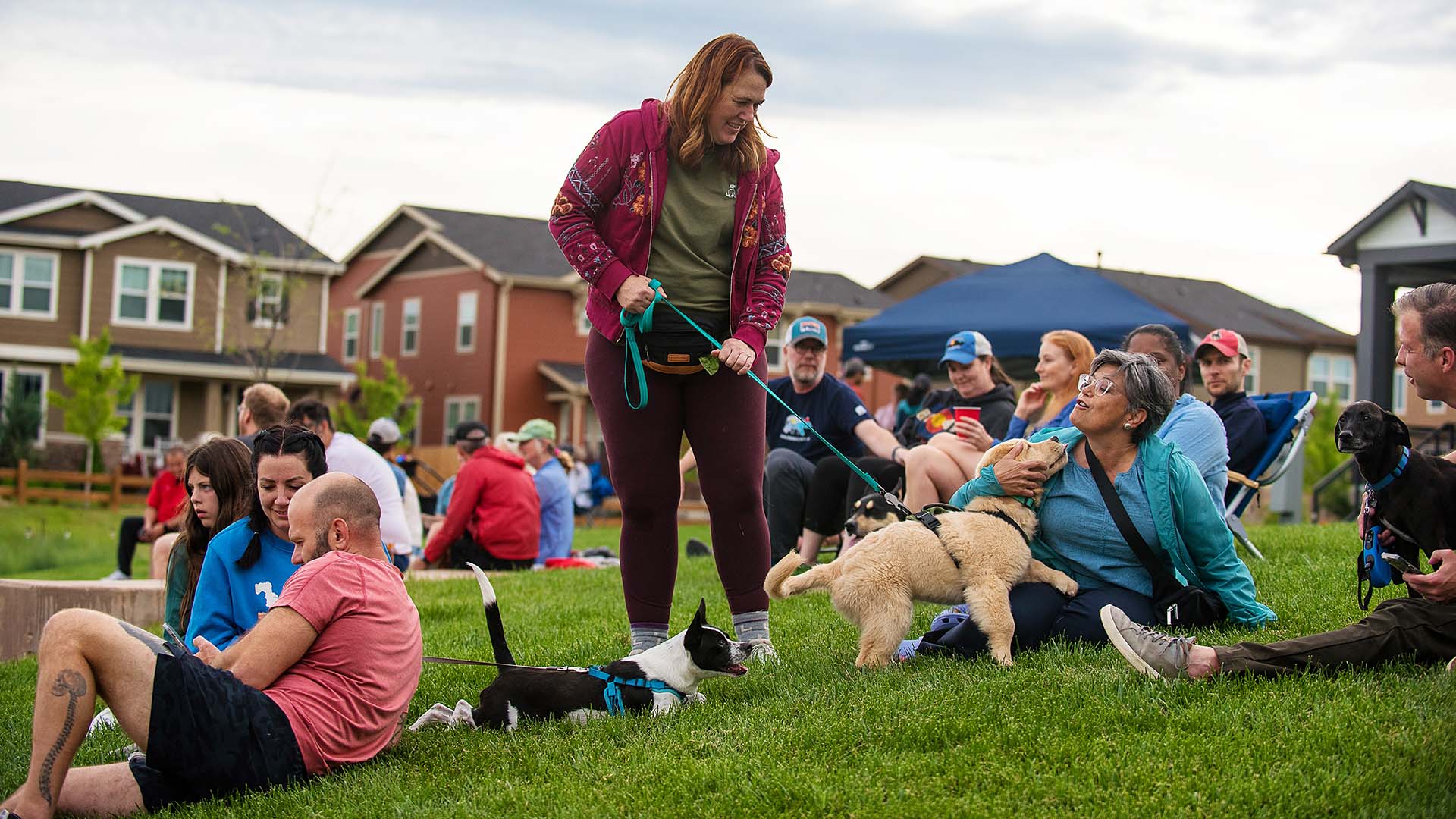
Social infrastructure represents the systems, experiences, and rhythms that help people build relationships over time. Just as roads and utilities create the framework for movement, social infrastructure creates the framework for human connection. Through recurring opportunities to gather, participate, and contribute, communities establish rhythms that foster trust, strengthen relationships, and cultivate a sense of belonging.
This includes:
- Intentional community programming
- Resident engagement strategies
- Shared traditions, rituals, and seasonal experiences
- Gathering spaces that encourage interaction
- Leadership development and volunteer opportunities
- Consistent rhythms that bring residents together throughout the year
When paired with thoughtful placemaking and authentic community storytelling, these elements help transform neighborhoods into connected, resilient communities.
The ROI of connection and belonging
For developers and community stakeholders, investing in social infrastructure isn’t simply about creating positive experiences.
Strong social connections can contribute to:
- Higher resident satisfaction
- Increased homeowner retention
- Greater resident advocacy and referrals
- Stronger community stewardship
- More resilient neighborhood identity
- Enhanced long-term property values
Trust and belonging don’t just improve the resident experience; they create more compelling community narratives. For developers, sales teams, and marketing agencies, authentic resident engagement often becomes the foundation for stronger word-of-mouth referrals, resident advocacy, and differentiated positioning in increasingly competitive housing markets.
As competition among master-planned communities continues to grow, the experience of community itself is becoming a differentiator, not only in resident satisfaction, but also in how communities are positioned, marketed, and remembered.
The communities that thrive in the years ahead may not be those with the most amenities, but those that are most successful at helping residents build trust, connection, and belonging.
Continue reading
In his most recent Colorado Real Estate Journal article, Cohere CEO Todd Hornback explores how developers, community managers, and HOA leaders can rethink infrastructure through the lens of human connection — and why trust may be one of the most valuable assets a community can build.