Cohere's Community Building Model™ treats social infrastructure as the foundation of long-term asset value in master-planned communities.
That means physical amenities alone aren’t the goal — they’re the starting point. Real estate developers have historically placed physical assets like amenities, green spaces, coffee bars, and fitness centers at the top of the budget priority list.
It makes sense, in theory. When prospects visit, those third spaces are a first glimpse of what community life could feel like. But without people, can spaces tell a story, evoke emotion, welcome you in?
Community as amenity
As Cohere CEO Todd Hornback explains in his recent article for Colorado Real Estate Journal, that’s where collaborative placemaking and intentional community building come in.
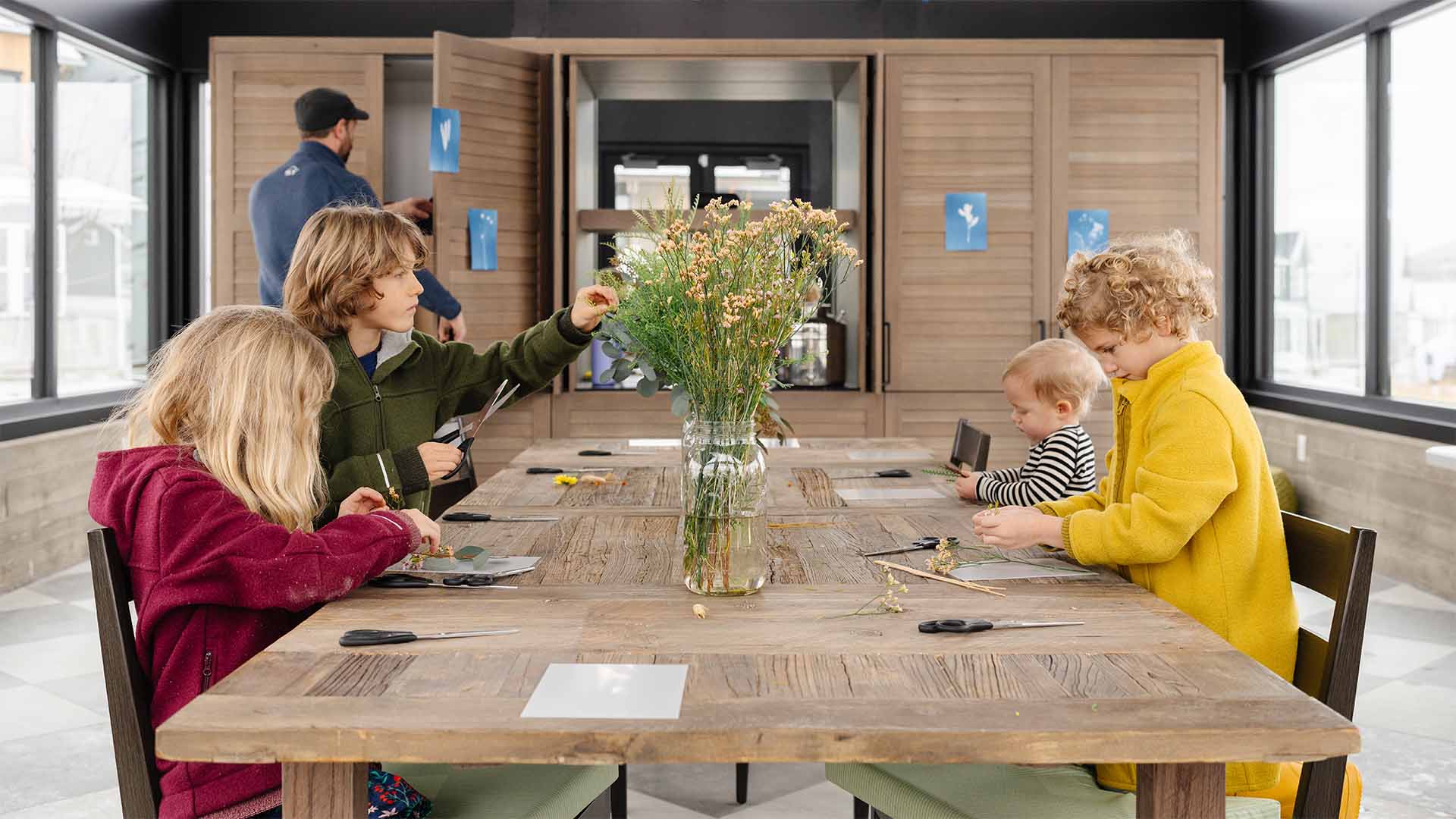
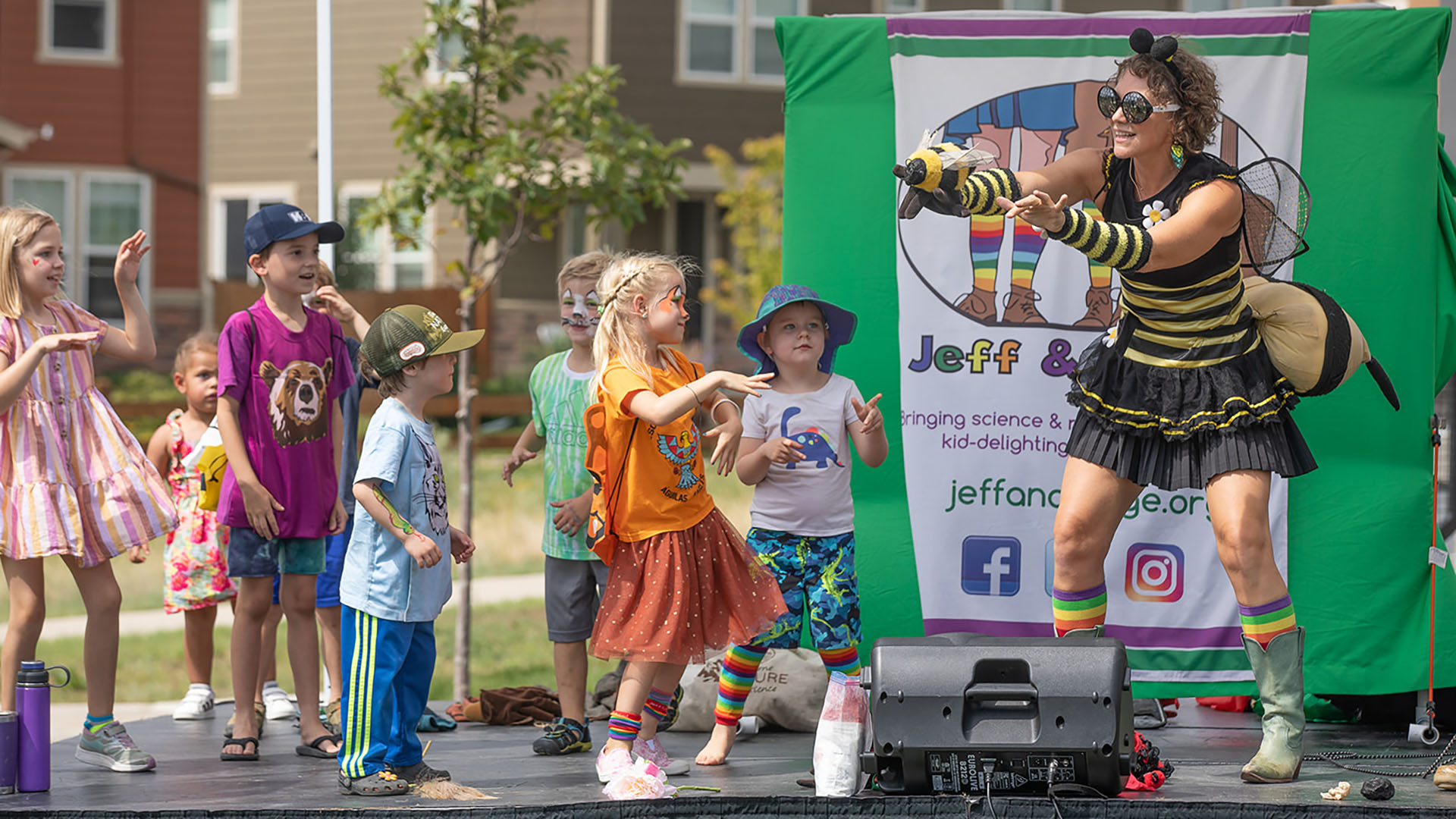
An amenity alive with participation and shared experience creates a rhythm and heartbeat that draws neighbors together. It becomes a hub for connection and, before long, a place where a deep sense of belonging takes root.
That’s when a third space becomes more than an amenity — it becomes the soul of a community. And the physical investment begins delivering something much harder to replicate: social value.
ROI starts before the first resident arrives
Places don’t always morph into active gathering spots on their own. Developers and HOA management teams must intentionally influence how a master-planned community evolves over time, beginning well before the first resident arrives. That means planning and designing not only how physical assets will look and grow, but how they will live, activate and foster resident participation.
When the physical plan and the social plan are in sync from the start, the investment in amenities works harder. Residents are more likely to participate, build relationships, uphold the developer’s vision, step into stewardship roles, and refer the community to others.
The result is a stronger connection between the dollars invested in place and the long-term value that place creates.
First impressions count in master-planned communities
What feels more welcoming, walking into an empty space or being invited into a gathering? Approaching a desk in a quiet lobby or entering a bustling living room with a coffee bar, conversational seating, and neighbors connecting?
Introducing prospects to a community’s lifestyle is more impactful when opportunities for organic human connection are fully integrated into the resident journey. Instead of simply seeing an amenity, prospective residents experience how it lives.
That distinction matters. Buildings, parks, and amenities may initially attract buyers, but the experience of community can deepen emotional connection, support early absorption, and turn residents into some of a community’s most authentic ambassadors.
Potential homeowners are buying into a lifestyle, and activated amenities give them a glimpse of what that lifestyle will be.
Sustainability is the ultimate goal in MPCs
The early stages of Cohere’s Community Building Model™ help establish the social infrastructure that allows connection to take root. From there, the community management team’s role is to co-create rather than conduct.
The true measure of a strong community isn’t how many activities the management team can produce. It’s the depth of engagement that eventually takes shape through resident-led clubs, committees, volunteer efforts, and leadership programs.
These early adopters help weave the social fabric as connectors, informers, and stewards, providing warm welcomes, facilitating positive feedback loops, offering peer-to-peer education, and helping other residents find their place within the community.
Over time, management becomes less of the center of community life and more of the support system that helps residents lead it.
The ROI? A more resilient and operationally efficient association, stronger resident stewardship, and social infrastructure that can endure as the community evolves.
The value behind the balance sheet
As investors and developers weigh costs and review balance sheets, the value of human connection deserves a place in the equation.
Physical infrastructure creates the places where connection can happen. Social infrastructure gives people a reason to use them, care for them, and ultimately take ownership in the place they call home.
That’s the long-term value of intentional community building: Creating the social scaffolding that helps protect the physical investment, sustain the developer’s vision, and build a community capable of thriving long after development is complete.
Continue reading
Todd Hornback, Cohere’s CEO, makes the case for social infrastructure as a balance sheet consideration in his recent Colorado Real Estate Journal article: Intentional Community Building Can Dramatically Increase Long-term Asset Value.